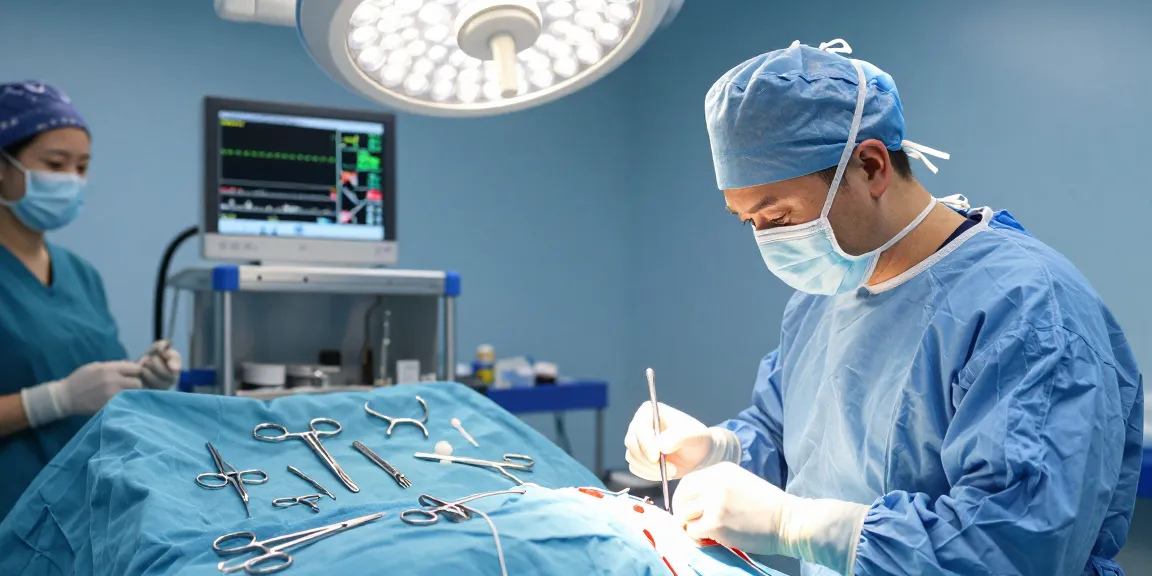
Understanding Suture Kits: What They Are and Why They Matter
Suture kits are essential tools in medical practice, greatly influencing patient outcomes in a variety of settings. Understanding their components, types, and importance not only provides healthcare professionals with the necessary knowledge for effective use but also ensures better surgical results. Comprehensive information about suture kits can significantly enhance decision-making processes in medical procedures.
What Makes Up a Suture Kit?
A suture kit typically contains a variety of instruments and materials required for wound closure and surgical procedures. Key components include:
- Sutures: These are the primary elements used to stitch tissues together. They can be made from absorbable or non-absorbable materials.
- Needles: Curved or straight needles that are specifically designed to hold and guide the suture material.
- Scissors: Used for cutting sutures and other materials during the procedure.
- Tweezers: Essential for gripping and manipulating tissues.
- Antiseptic wipes: For sterilizing the site before suturing.
- Instruction manual: This may be included to guide practitioners on the proper use of the kit.
Common Types of Sutures and Their Uses
Sutures are categorized into absorbable and non-absorbable types, each serving distinct purposes:
- Absorbable sutures: Made from materials like polyglycolic acid, these sutures dissolve over time and are ideal for internal use where removal is not feasible.
- Non-absorbable sutures: Typically made from nylon or silk, these sutures require removal after healing and are used for external wounds.
- Monofilament vs. multifilament: Monofilament sutures are single-stranded and less prone to harbor bacteria, while multifilament sutures have several strands woven together for increased strength.
The Importance of Quality in Suture Kits
Quality in suture kits is paramount as it directly affects surgical outcomes. High-quality materials reduce tissue trauma and promote healing. Moreover, inferior sutures can lead to complications such as infection, dehiscence, or improper wound healing. Therefore, investing in reliable suture kits from reputable manufacturers is essential for any medical facility.
Debunking Common Myths About Suture Kits
Myth 1: All Suture Kits Are the Same
This is a common misconception. Suture kits vary significantly based on their components and intended use. Different specialties, such as dermatology or orthopedics, may require specific types of sutures and instruments tailored to their procedures.
Myth 2: You Don't Need to Replace Expired Kits
Using expired suture kits can be detrimental, as the integrity of the materials may be compromised. Medical professionals must regularly check expiration dates and replace kits to ensure patient safety.
Myth 3: Suture Kits Are Only for Surgeons
While surgeons primarily use suture kits, they are also valuable to other healthcare providers, such as emergency responders and veterinarians. Understanding how to use them correctly can benefit various professionals in urgent care situations.
Choosing the Right Suture Kit for Your Needs
Factors to Consider When Selecting Suture Kits
When selecting a suture kit, consider the following factors:
- Procedure type: Different procedures require different types of sutures.
- Material compatibility: Ensure the sutures are compatible with the tissue type.
- Size and tension: The size of the sutures should match the wound to prevent excessive tension that could lead to complications.
Brand Recommendations and Best Practices
Some of the top brands to consider include Ethicon, Medtronic, and Covidien. These brands are known for their high-quality materials and innovation in suturing technologies. Best practices include familiarizing oneself with the kit contents, practicing sterile techniques, and ensuring that team members are trained in suture application.
How to Ensure Proper Use of Suture Kits
Proper use of suture kits is crucial for patient safety. Here are key practices:
- Always maintain a sterile environment.
- Follow the instruction manual included in the kit.
- Ensure all team members understand their roles during the suturing process.
Real-World Applications of Suture Kits in 2026
Case Studies: Successful Outcomes with Quality Suture Kits
In 2026, a case study from a major metropolitan general hospital highlighted the effectiveness of using high-quality suture kits in surgical procedures. A patient undergoing abdominal surgery experienced minimal post-operative complications, attributed to the sutures' material and application technique.
Innovations in Suture Kit Design and Functionality
Recent innovations include suture kits equipped with smart technology that can assess tissue response and alert healthcare providers to potential complications. These advancements represent a significant leap in patient monitoring and care.
Future Trends in Suture Kit Usage and Availability
As telemedicine continues to evolve, the demand for remote suturing kits is expected to grow. These kits may include user-friendly instructions and video tutorials to assist non-professionals in emergency situations.
FAQs About Suture Kits
What are the essential components of a suture kit?
Essential components include sutures, needles, scissors, tweezers, and antiseptic wipes for sterilization.
How long can I keep a suture kit before it expires?
The shelf life of a suture kit typically ranges from 2 to 5 years, depending on the manufacturer. Always check the expiration date before use.
What are the best practices for using a suture kit?
Best practices involve maintaining a sterile field, properly handling sutures and instruments, and ensuring adequate training for all personnel involved.
Can suture kits be used in non-surgical settings?
Yes, suture kits can be utilized in non-surgical settings, such as in emergency care or veterinary practices, where quick wound closure is necessary.
How do I choose the best suture kit for veterinary use?
For veterinary applications, consider the size, type, and material of sutures suitable for various animal species, along with the specific procedures being performed.