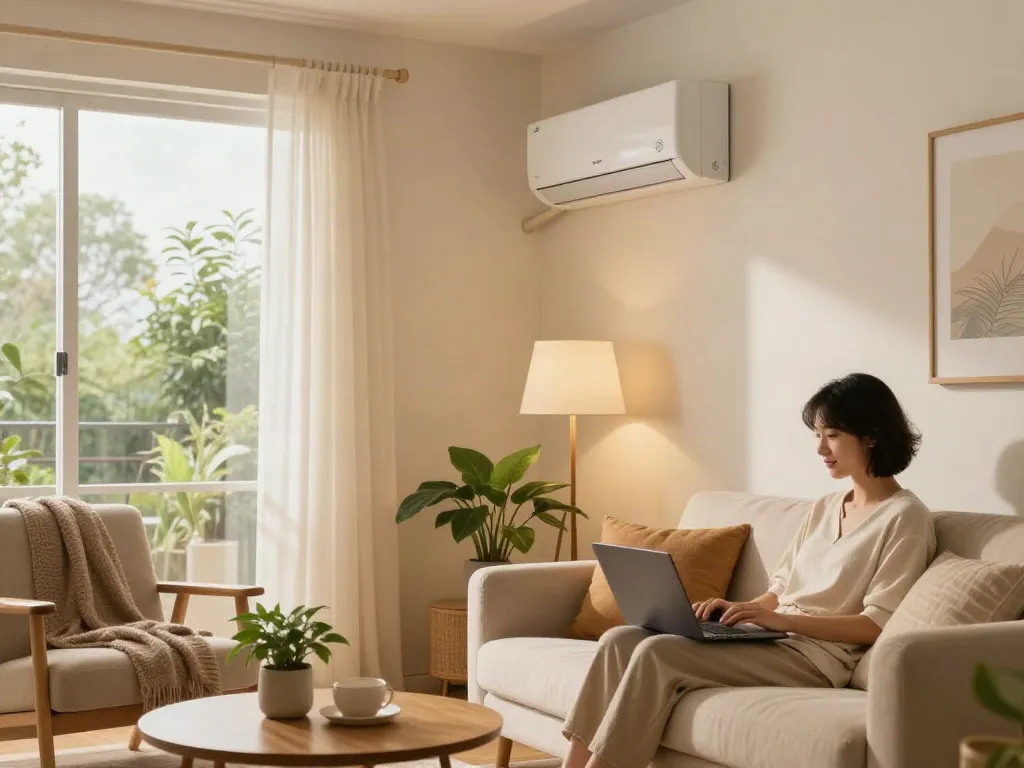
Understanding Mini Split Air Conditioners
Mini split air conditioners have become a popular choice for homeowners and businesses alike, thanks to their versatility and efficiency. As the demand for energy-efficient cooling solutions rises, understanding the features and benefits of these systems is essential for making an informed decision. When exploring options, mini split air conditioner systems stand out due to their ability to provide precise temperature control and easy installation.
What is a Mini Split Air Conditioner?
A mini split air conditioner is a type of ductless HVAC system that comprises two main components: an outdoor compressor unit and one or more indoor air-handling units. Unlike traditional air conditioning systems that rely on ductwork to distribute cool air, mini splits deliver conditioned air directly into the living space, making them ideal for homes without existing ductwork or for adding cooling to specific areas.
Key Components of Mini Split Systems
Understanding the key components of a mini split system can help in choosing the right unit for your needs:
- Outdoor Unit: Houses the compressor and condenser, which work together to cool the refrigerant before it's sent to the indoor units.
- Indoor Unit: These units are installed throughout the home and distribute cool air. They are available in various designs, including wall-mounted, ceiling-mounted, and floor-mounted options.
- Refrigerant Lines: These insulated lines connect the indoor and outdoor units, carrying the refrigerant that facilitates heat exchange.
- Remote Control: Allows users to easily adjust settings such as temperature and fan speed without needing to get up.
Benefits of Choosing Mini Split AC Units
There are numerous advantages to investing in a mini split air conditioner:
- Energy Efficiency: Mini split systems typically have higher SEER ratings than traditional HVAC systems, leading to reduced energy consumption.
- Flexible Installation: Because they require no ductwork, mini splits can be installed in various configurations to suit the unique layout of your home.
- Zone Cooling: With multiple indoor units, homeowners can control the temperature in individual rooms for added comfort and efficiency.
- Quiet Operation: Indoor units operate quietly, making them suitable for bedrooms and other noise-sensitive areas.
Installation Insights for Mini Split Systems
Installing a mini split system may seem daunting, but with adequate information, it can be straightforward. Homeowners have the option to tackle the installation themselves or hire a professional, depending on their skill level and comfort with HVAC systems.
DIY Installation vs. Professional Help
While some homeowners might consider a DIY approach, hiring a professional is recommended for optimal installation. Professionals ensure that the system is correctly sized and that connections are properly sealed to prevent refrigerant leaks. They also bring experience in navigating local codes and ordinances that might affect installation.
Essential Tools for Installing Mini Split Systems
If you opt for the DIY route, having the right tools is crucial. Here’s a list of essential tools you will need:
- Wrench set
- Drill and drill bits
- Manifold gauge set
- Refrigerant recovery machine
- Level for ensuring indoor unit placement
Common Installation Mistakes to Avoid
Even experienced installers can make mistakes that impact system performance. Common pitfalls include:
- Improper Sizing: Choosing a unit that is too large or too small can lead to inefficiencies and increased wear on the system.
- Neglecting Insulation: Failing to properly insulate refrigerant lines can lead to energy loss and decreased efficiency.
- Ignoring Local Codes: Not adhering to local installation codes can result in fines or issues when selling the home.
Maintenance Tips for Optimal Performance
Regular maintenance is key to keeping your mini split air conditioner running efficiently and extending its lifespan. Here are some routine tasks to consider:
Routine Checks and Cleaning Procedures
Performing basic maintenance tasks can significantly enhance the system’s performance:
- Clean or replace air filters monthly to ensure efficient airflow.
- Inspect drainage lines for clogs to prevent water damage.
- Check for refrigerant leaks by looking for ice buildup on the indoor unit.
Common Issues and Troubleshooting Guide
Even with regular maintenance, issues may arise. Here are solutions to common problems:
- Uneven Cooling: This can often be attributed to improper duct sizing or location of the indoor unit.
- Increased Energy Bills: This may indicate a need for cleaning or that the system has developed a refrigerant leak.
When to Call a Professional for Repairs
If you encounter persistent issues or complex problems involving refrigerant or electrical components, it’s crucial to call a qualified HVAC technician. Attempting DIY repairs in these areas can lead to further damage or safety hazards.
Energy Efficiency and Cost Savings
Mini split air conditioners are renowned for their energy-efficient operations. Understanding how they save energy and the associated cost benefits is vital for potential buyers.
How Mini Split Air Conditioners Save Energy
By cooling specific zones rather than the entire house, mini splits reduce energy waste. This targeted cooling allows homeowners to save significant amounts on their energy bills, especially during the summer months.
Understanding SEER Ratings and Their Importance
SEER, or Seasonal Energy Efficiency Ratio, is a measure of cooling output during a typical cooling season divided by the total electric energy input during that season. Higher SEER ratings indicate greater efficiency. For 2026, many manufacturers are striving to produce units with SEER ratings above 20, which can dramatically lower energy costs.
Long-term Cost Benefits of Mini Split Systems
Investing in a mini split system can provide substantial long-term savings. Not only do these systems use less energy, but they also often qualify for various energy rebates and tax credits, making them even more affordable.
Future Trends in Mini Split Technology
As technology advances, the mini split air conditioning market is evolving. Staying informed about emerging trends can help consumers make smart purchasing decisions.
Innovations to Expect by 2026
In the coming years, we can expect several innovations in mini split technology, including improved inverter technology for even better energy efficiency and whisper-quiet operation. Brands are also focusing on advanced filtration systems to improve indoor air quality.
Smart Technology Integration in Mini Splits
Smart technology is making its way into HVAC systems, allowing homeowners to control their mini splits via smartphone apps. Features may include scheduling, temperature adjustments, and remote monitoring for efficiency optimization.
Sustainability and Eco-Friendly Features
As environmental concerns grow, manufacturers are developing eco-friendly refrigerants with lower global warming potential. This shift not only helps the environment but also aligns with consumer demand for sustainable products.
What size mini split air conditioner do I need?
Choosing the right size mini split system is essential for optimal performance. Factors such as room size, insulation, and climate play crucial roles in determining the required capacity, typically measured in BTUs.
How do mini splits compare to traditional AC units?
Mini splits generally offer higher efficiency and flexibility compared to traditional units. They do not require ductwork, resulting in fewer energy losses and lower installation costs for homes without existing ducts.
Are mini split systems efficient in cold climates?
Modern mini splits are designed to operate efficiently even in colder climates, with many models capable of heating effectively at temperatures as low as -5°F. Homeowners should look for units specifically rated for cold weather.
What is the average lifespan of a mini split air conditioner?
With proper maintenance, mini split air conditioners can last 15-20 years. Regular servicing plays a critical role in extending the life of these systems.
Can I install a mini split air conditioner myself?
While DIY installation is possible for those with technical skills, it is often recommended to hire a professional to ensure correct installation and optimal system performance.